Friday, October 9, 2009

The Cellscope

The cell phone, a portable device used to make calls, keep in touch with friends and family and also take pictures and look at the latest media, but who would have thought it would be used for medical purposes. The Cell scope, designed by Berkeley Bioengineering researchers is the latest advancement in cell phone technology. The cell scope is designed to magnify images up to 60x zoom or more to view the surface of the skin and hopefully when fully developed view ever closer things like cells and parasites.

So what can the cell scope do as of now? At the moment in its development it can determine some diseases (i.e. Malaria in a blood sample or if you want to use the 5x zoom you could even detect minor skin conditions). Now the real question is, how and why would I want to use this? Well at face value the cell scope just looks like a cool toy to play with, but in all seriousness this could be a useful device to diagnose illnesses and then MMS it to your local or non-local doctors and get a diagnoses without having to leave your house or current location. Or a better example would be getting these cell scopes out to foreign countries and giving them a better chance of diagnosing their illnesses.

Financially, these cell scopes would run for about 75 dollars and were originally made from parts around their workshop such as wires, belt loops etc. and even though not on the shelves at the moment they are currently being produced and worked on. All in all these cell scopes are becoming more and more real to us and we will defiantly see these in the near future.


http://cellscope.berkeley.edu/

http://thefutureofthings.com/news/1155/the-birth-of-the-cell-phone-microscope.html

Thursday, October 8, 2009

“Shuttling PC Data at the Speed of Light"

In the technological age of today, most of us have a majority of our media collections available to us in digital format, whether it be through digital cameras, IPod/mp3 players, CDs or DVDs , and of course our ever trusty personal computers. Currently , we are able to shuttle media and data between our computers and other devices using metal-based cables such as USBs (Universal Series Bus connectors). Most USB connectors of today’s PCs deliver data at a maximum speed of 480 megabits/second. Basically, this is the fastest speed that we can currently download and upload media between computers and outside devices (i.e. digital cameras).
Intel Co. recently unveiled a new technology, named Light Peak, that can carry data at 10 gigabytes/second in both directions simultaneously. Its potential ability may allow it to go up to 100 gigabytes/second within the next decade. Light Peak will be the first components to use fiber optic cables to shuttle data between computers and other devices. Fiber optic cables allow data to travel much faster. Fiber Optical technology also allows for smaller connectors and longer, thinner, and more flexible cables than currently possible. Light Peak also has the ability to run multiple protocols simultaneously over a single cable. The lets us connect devices such as peripherals, workstations, displays, disk drives, docking stations, and more more easily. The cables could be easily integrated into various devices like digital cameras and laptops. The existing electrical cable technology of today's mainstream computing is approaching practical limits for speed and length. optical technology, used extensively in data centers and telecom communications, does not have these limitations since it transmits data using light instead of electricity. Light Peak brings this optical technology to mainstream computing and consumer electronic devices in a cost-effective manner.

http://bits.blogs.nytimes.com/2009/10/05/shuttling-pc-data-at-the-speed-of-light/?scp=1&sq=lightpeak&st=cse

MyCyberTwin: Presence Not Required to Communicate on the Internet

Since its early days, the internet has made immense progress. Where internet communication once seemed very primitive, we now see how contacting someone via the internet, whether through e-mail, instant messaging, social networks, or blog forums, is rather easy and highly accessible. Now imagine not being at your computer, but still having the ability to converse with others and share personal information through the internet. RelevanceNow CEO Liesl Capper has applied Artificial Intelligence software to the world wide web in order for such communication to be possible.

In the 1960’s, an early form of such AI was created. The first virtual personality, Eliza, was a text-chat program written by MIT AI expert Joseph Weizenbaum. Eliza conversed by taking another person’s previous statement and simply placing it into a question. For example, if a person said, “I am feeling blue today,” Eliza would most likely respond “Do you enjoy feeling blue today?” It was very easy for a person to recognize that his/her conversation was indeed with a robot. With RelevenceNow’s new web-based program MyCyberTwin, users may be a little more convinced that there is in fact another human on the other side of the conversation. By feeding the program with a vast amount of personal information, your cybertwin can respond to in depth questions provided by other MyCyberTwin users even if you’re not at the computer. When the program is used for the first time, it asks for the personal information to be filled out: First, one must choose a general personality and then answer a 30 question survey. After that, it is the user’s choice how many of the 425 questions under the 18 specific topics are answered. The more questions that are answered and the more developed the answers are, the greater ability the service has of responding (on its own) to other user’s personal questions. Another great feature of MyCyberTwin is that it can be linked to one’s Facebook, MySpace, or other social network’s profile.

MyCyberTwin is definitely a great service for people who want to meet others but don’t spend hours communicating on their computer. However, there are several flaws. Although MyCyberTwin saves the time that a person actually spends messaging and posting on the computer, it still takes several hours or even days to fill out the entire cybertwin profile. While all the questions don’t have to be answered, it would be best if they were to get the most out of the service. Also, since RelevenceNow currently has no advertising contracts, it has to charge its users to make a profit. If one’s conversation limit exceeds 500, then the user will have to pay a fee to obtain a premium membership service. Finally, as always when the internet is involved, there is a privacy issue. MyCyberTwin only saves key information provided by another user in conversation. But, if a user decides to ask or answer questions in an inappropriate manner, the other user may be on his/her computer reading the entire conversation as it progresses.

http://www.technologyreview.com/communications/18561/

http://site.mycybertwin.com/

http://www.engadget.com/2007/04/21/mycybertwin-knows-why-you-cry-but-its-something-it-can-never-d/


Wednesday, October 7, 2009

Vaio Touch HD PC/TV

This 24-inch wide-screen LCD has a variety of functions, including a 1080p HD capable touch screen monitor. The Vaio Touch consists of a Blu-ray reader/DVD burner combo drive, DVR capabilities includes a new multimedia software and has a built-in HD TV tuner. Another plus of the Vaio touch is the rewritable BD drive used for recording, storing, and playing back personal content. This PC/TV also has a terabyte of storage. This allows you to create a personal entertainment library with up to one hundred hours of HDTV.

Another remarkable feature of the Vaio Touch HD PC/TV is the fact that it comes with windows 7 home premium or professional 64-bit operating system. This PC/TV also has a HDMI port, a wireless remote control, a wireless keyboard and mouse, VESA mounting kits (optional) , and an ATSC/HDTV tuner. The Vaio Touch is the, “ultimate multi-media hub- it's your PC, HDTV and DVR in one compact, stylish device, and with cutting-edge features such as multi-touch, it's ideal for media lovers who appreciate HD performance and cutting-edge technology." Said Mike Abary, senior vice president of the VAIO business group at Sony.

The Vaio Touch HD PC/TV will be available this November and the starting price will be around $1,300.The Vaio Touch includes an Intel core 2 Quad processor, 6 GB of memory, A one-TB drive, HDMI input, and a Blu-ray reader/DVD burner combo drive. This computer/television is a perfect fit if you are looking into the newest and most advanced computers.


http://gizmodo.com/5376704/sony-vaio-l-all+in+one-the-high+def-living-room-touchscreen-pc\


http://www.pcmag.com/article2/0,2817,2353951,00.asp?kc=PCRSS03069TX1K0001121

How Facebook deals with 300+ users as well as its costs

Mark Zuckerberg, CEO of facebook, blogged on September 15 that it has offically reached 300 million users of the worlds largest social network ever. Also, the company was not expecting positive cash flow until around the year 2010, but thanks to projects like Haystack, Facebook was able to cut spending. Haystack as well as other projects aim to cut the costs of sharing photo storage on websites. Facebook also claims the title of being the largest photo-sharing site as well. Most of the companies spending goes towards equipment for big storage servers which can be extremely expensive.


Jeff Rothschild is Facebook's VP of Technology explained in detail at a MySQL user conferences in 2007, that Facebook is now running 10,000 servers, including 1,800 MySQL servers. The costs for these servers are not cheap. In a study done in 2007 by Deft Labs, their goal was to figure out about how much money Facebook spends in one year. if we are to assume that each server has 4 GB of memory, Facebook would need 19 TB of profile data, which will cost roughly $5,000,000. Also, in order for Facebook to run, they need servers. Assuming they have 5,000 servers the total cost would be around $1,000,000 per year to host them (not including bandwidth - including bandwidth would be an extra cost of approximately $184,320). Running a business requires hiring employees. Assuming that each platform (admins, managers, engineers, etc) would cost Facebook $18,000,000 to pay its workers. The total cost for one year would be a little over 24 million dollars.

Facebook is now making money as of 2009. Since Facebook is one of the most visited sites, they can charge a lot of money for companies to put ads. A lot of big companies are willing to pay the fees to have themselves advertised on the site allowing Facebook to make a lot of money. In fact, in 2006 Yahoo was in serious talks about buying Facebook for 1 billion dollars. Facebook turned down the offer.


http://www.techcrunch.com/2009/09/15/facebook-crosses-300-million-users-oh-yeah-and-their-cash-flow-just-went-positive/


http://www.cbsnews.com/stories/2009/09/15/tech/cnettechnews/main5313658.shtml

Honda's ASIMO Humanoid Robot

Back in 2005, Honda debuts the most advanced human-like robot ever made. This robot is designed to pursue key tasks in a real-life environment. This type of robot is designed to work in an office setting and the home setting. This new and advanced robot is also created to interact with humans. This robot is called the ASIMO, which stands for Hondas Advanced Step in Innovative MObility. The physical and mental abilities of the robot is what makes it advanced.


Hondas development of a human-like robot began in the year 1986. These robots, known as ASIMO's are to be capable of walking on its own two feet, being able to run, interact, and help human's house in daily life. However, ASIMO is not the first humanoid robot created. Honda first created the P2, which was the first two-legged human-like robot. However, this robot wasn't completely independent when walking. As time goes by, the robots improve. Eventually the P3 was created, which was the first independently walking robot. The most advanced humanoid robot, however, was completed October 31, 2000. Still to this date, the ASIMO is the most advanced humanoid robot ever created. In addition to the features of the robot and physical movement, the robot is lightweight and shorter than previous robots.


The ASIMO is programmed to be able to run, walk, and help people out with daily activities. ASIMO can comprehend and carry out tasks based on voice commands. In addition, ASIMO is able to recognize people and obstacles, which makes it truly advanced. Due to technology today, ASIMO is able to walk on flat surfaces, rough surfaces, up stairs, down stairs, backwards, forwards, and any movement humans can do. However, the main objective ASIMO developers are working on, is the ability for the ASIMO to stand up by itself if it falls over. ASIMO is powered on a Lithium battery, and can operate approximately 1 hour on a single battery. ASIMO has cameras for eyes, allowing it to see its environment, helping the robot to decide its next move. Unfortunately, there are no current plans to introduce the ASIMO for sale in the US.


The main "intelligence" features of the ASIMO robot is charting a route for movement, recognizing moving objects, distinguishing sounds, and recognizing faces and gestures. Through ground and visual sensors, the robot is able to change its direction. Using the visual information camera mounted in its head, the ASIMO is able to detect the movement of multiple objects. ASIMOs microphones allow it to receive certain voice commands help it determine the direction of sounds. It is programmed to turn its face to anyone who is talking. ASIMO is also able to recognize sudden sounds and turn in that direction. Not only can the robot react to voice commands, but also the natural movement of humans. ASIMO can interpret position and movement of a hand, recognize posture, and gestures and faces.


http://asimo.honda.com/InsideAsimo.aspx

http://asimo.honda.com/


Tuesday, October 6, 2009

Microfluidics Chip: the start of a new treatment era

For people facing cancer, the decision of which treatment to use is too often made blindly and with no true knowledge on whether the specific treatment is the best one for a certain individual. Microfluidics chips are aimed to solve just this problem. The small silicon-etched chip is fitted with microscopic columns which act as test tubes in which cancerous cells and chemicals can be mixed and evaluated. The chip is able to detect small changes in gene expression, not only a gene mutation, which had been a problem for scientists in the past.

How does this chip work? Most carcinomas (cancer in the epithelial tissue of the skin or in the lining of internal organs) “shed” malignant cells which then enter the blood stream and can continue to grow in a new area. The cancerous cells in the blood, CTC’s (cancerous tumor cells), are what the chip picks up. The microposts of the cell are coated with antibodies to the epithelial cell adhesion molecule (EpCAM) which is present in almost all carcinoma cells but not on the surface of normal blood cells. The chip can therefore pick up only the cancerous cells which was in itself a difficult job before because the percentage of CTC’s in blood can be less than one in a million (particularly with early-staged patients in which the tumors may have not fully spread and then the CTC number will be even smaller). However, the chip has been able to find cancer cells as rare as 1 in a million; about 100 times better than commercial fluidic devices. Also, with the accustom procedure of having a large sample of blood drawn and add antibody-coated microbeads to find the cancer cells, the sample is more damaged than when the CTC chip retrieves the cancer cells.

The data obtained through the chips will allow for more precise treatments based on the molecular characteristics of the malignant cells (for example, whether certain hormones or genetic mutations are present). The chip can also help patients whose cancer cells may have mutated to resist a certain drug or have metastasized. In certain cancers, like lung cancer, the necessary biopsy to examine the cancer cells cause a risk of blood loss, infection, or even a collapse lung. However, the studies by a group in MassachusettsGeneral Hospital and Genitourinary Oncology Service at Memorial Sloan-Kettering Cancer Center have found success; the future looks hopeful for these tiny chips and cancer patients, perhaps one day it "could [even] be used at annual checkups".

Sites used: http://www.scientificamerican.com/article.cfm?id=a-chip-against-cancer , http://www.technologyreview.com/biomedicine/23551/page1/

Driving on Glass?

Scott Brusaw of Sagle, Idaho–hopes to produce these solar panel roads by Feburary. The electrical engineer is currently at work building a prototype of his so-called "Solar Road Panel" with the help of a $100,000 small business grand from the Department of Transportation. "We're building solar panels that you can drive on," Brusaw says. "The fact that it's generating power means it pays for itself over time, as opposed to asphalt." There is about 260,000 miles of road in the United States so making this much solar panels will cost a huge amount of money. The glass will need to hold extreme strengths and the roads will have to allow tires to grip onto the glass. The coolest feature will be they will be self cleaning!


"Glass theoretically can have a very high strength, provided there are no flaws," says materials scientist John Hellmann of Penn State, a glass expert. But "can you keep the proper optical properties to transmit light to the PV [photovoltaics, or solar cell] and still not weather or change with that traffic going over it? …


We make some pretty doggone good glass for structural applications but we're not driving trucks on them." The cost of these roads will be about $1 per square foot which means they will be very expensive but with loans for the DoT Brusaw may be able to excel in this monumentus feat. Another awesome feature will be that they will be built with LED lights to illuminate the road and will be able to warn drivers about weather conditions and lane instructions such as "Slow Down". Remember this date Feburary 12, 2010 Brusaw will test a portion of his solar panel road to check durability and how well it will work.


http://www.scientificamerican.com/article.cfm?id=driving-on-glass-solar-roads

A Car Made For The Driver

As we move deeper into technology, our inventions improve, we now have inventions like Mercedes Benz's Distronic Plus, a cruise control system that brakes when needed. Imagine a car that could remember the way it's handler drives and report when something out of the ordinary occurs. A group of six scientists have come up with DRIVSCO, a new driving assistance program.

DRIVSCO works by studying the car owner's driving pattern over a period of time and keeping a fileit, if the driver should react in a peculiar way, the program makes a warning sound, notifying the driver of any possible hazard. The European Union Car Council reports that 42% of car accidents occur at night, DRIVSCO is also the solution with its night vision system. This system assumes that the road cannot be seen well by the driver, that is why cars installed with night vision and a sophisticated driving assistance system will reduce the number of night-time accidents on the road.

The system works from a chip with artificial vision developed by researchers at the University of Granada. The chip receives input pictures and produces a first 'interpretation of the scenario' by combining information on depth (using 3D vision), local movement and image lines.
DRIVSCO has been tested with drivers and according to the results, the program seems promising.
Eduardo Ros Vidal, project leader says that he does not see a future with cars driving themselves, because of problems with insurance companies, but there is no doubt that this
system will help the driver and probably save lives.

Thursday, June 11, 2009

New NASA Rovers


As advanced as space technology has become, missions have been plagued by operated land rovers becoming stuck in dirt and dunes. Both of the last two Mars Rovers, the Spirit and Opportunity have gotten stuck for weeks at a time. As part of an effort to avoid this unnecessary dilemma, NASA has worked on dozens of new prototypes that are specifically designed to get out of those very tricky situations.

Resembling the animal it's presumably named after, the LEMUR (Limbed Excursion Mechanical Utility Robots) uses its four arms to make its way through steep slopes. Its small size limits the chance of a fall critically damaging its condition.

The Hopper, the name basically gives away what this new prototype is best at. Equipped with six spring-loaded feet, this rover goes where no rover has gone before by completely leaping past obstacles that would have put others out of working order. Jumping one foot on Earth, translating into 6 feet under lunar gravity, the Hopper is ready to set the standard for rovers to come.

Unfortunately, it will most likely take anywhere from 10 to 20 years before any of these concepts actually are used in a space mission. However, when they finally arrive they will undoubtedly help usher in a new era of knowledge of planets.

Wednesday, June 3, 2009

Imagine an everyday regular military man that is able to run faster jump higher and all of his physical abilities are expanded well that’s pretty much the case with the new prototype exoskeleton. Basically, an exoskeleton is a wearable machine that gives human enhanced abilities. Imagine a battalion of super soldiers that can lift hundreds of pounds as easily as lifting 10 pounds and can run twice their normal speed. Soldiers will be able to carry more weapons and supplies. By increasing strength, soldiers will also be able to remove large obstacles from their path while marching. It will also enable them to wear heavier body armor and other ballistic protection. An average human walks 4 to 6 mph, but soldiers are often expected to carry up to 150 pounds of supplies in their backpacks. Even the best-conditioned troops cannot go very fast carrying that much weight on their backs. It's not certain how fast DARPA's exoskeleton will be able to move. An independently developed body amplifier, the “SpringWalker”, has been tested at speeds faster than 10 mph (16 km/h). In a couple of years these prototypes will be put into production and they will be made so that all infantry will be able to be much stronger


http://www.popsci.com/scitech/article/2008-04/building-real-iron-man

Monday, June 1, 2009

Gene Defect corrected in human stem cell

Correcting Cells:
What do you think life would be like if you could correct all inherited genetic diseases. Science researches have discovered a way to help patients by transforming tissue into stem cells, potentially being able to reverse the conditions. Using the older technology of cell programming scientists believe that they can use cells to create stem cells which can virtually grow into any tissue type. This system is stated in the article to be called "induced pluripotent stem cell (iPS) reprogramming, this involves introducing four genes known to be active in the developing embryo, which in turn change the cells' pattern of gene expression to one that resembles an embryonic cell rather than an adult one."


While this has not yet completed full testing on humans researches are very confident it will be successfull, leading to a huge step in fixing inherited diseases which in many cases lead to increased risk of cancer.


Wednesday, April 1, 2009

World's Largest Laser

The U.S Department of Energy has recently completed what is now the largest laser on Earth. Twelve years in the making, this laser located in Livermore, California has many goals. The main purpose of this gigantic structure is to recreate nuclear fusion. Unlike Nuclear fission which splits atoms to create energy, the process used in nuclear power plants, nuclear fusion creates no radioactive waste. Harnessing the energy created from fusion would change all plans for future energy sources. Although the process is extremely costly( the structure cost $3.5 billion) if we were able to control and sustain this source of energy it could swing the current state of our pollution emissions.


http://www.sciam.com/blog/60-second-science/post.cfm?id=worlds-largest-laser-nif-2009-04-01

Saturday, March 28, 2009

Robot octopus

Would you like to try something new an exciting? It’s only a few steps up from the Lego robots, so invest €10 million in a robotic octopus and you will be able to search the seabed just like the real thing. At least that's what it says, these scientist that are attempting to build a robot with arms that work in the same way that octopuses tentacles are stepping foot onto new soil. Having no solid skeleton or frame, this robot would be world’s first entirely soft robot.” The trouble with today's remote-controlled subs, is that their large hulls and clunky robot arms cannot reach into the nooks and crannies of coral reefs or the rock formations on ocean floors. That means they are unable to photograph objects in these places or pick up samples for analysis. And that's a major drawback for oceanographers hunting for signs of climate change in the oceans and on coral reefs”. Said Cecilia Laschi of Scuola Superiore Sant'Anna in Pisa. Do to the fact an octopus's tentacles are capable of and moving in all directions, they can reach, grasp and manipulate objects in tiny spaces with precise precision. "So we are replicating the muscular structure of an octopus by making a robot with no rigid structure - and that is completely new to robotics," she says This is truly a great leap in the scientific field in the robot area.

http://www.robotoctopus.com

Thursday, March 26, 2009

Biometrics in Epassports

ePassports are tiny chips that are hard to copy because it has biometric information in it that measures a persons physical characteristics and behavioral characteristics. The ePassport takes points on someones' face for facial recognition. Denis Chagnon of the ICAO or the International Civil Aviation Organization helped create this. So far 70 countries are using the ePassport and the system will only get better as time goes on and more countries begin to use the ePassport. Although this process is not one hundred percent perfect it still works well and will prevent identity theft when it comes to passports.


http://www.npr.org/templates/story/story.php?storyId=102056426

Tuesday, March 17, 2009

X-Ray Machine for Food

The researchers are experimenting with x-ray technology to zap the dangerous bacteria that hide in foods you eat such as leafy greens, tomatoes, ground beef and, peanuts. The x-ray machine being tested at Michigan State University can reduce pathogens 99.999% food experts say. The technique, which uses a low-dose form of irradiation, destroys the bacteria on delicate foods without turning them to a mush.
Products like peanut contaminated with salmonella have sickened more than 650 people about 44 states and killed at least nine. And in 2006, spinach tainted with E. coli (a bacteria) from one field in California caused one of the worst nationwide food-poisoning outbreaks in recent years, killing three people and sickening at least 205. About 76 million Americans are stricken with food-borne illness each year.
The methods to improve some food safety irradiation is a necessary step that could prevent many illnesses and deaths. In August, the Food and Drug Administration approved irradiation for iceberg lettuce and spinach, which have been responsible for some of the worst outbreaks in recent years. That approval is expected to open doors to more irradiated foods.
Irradiation is something that kills harmful bacteria by briefly exposing food to ionizing radiation, or short energy wavelengths. Irradiation has already been approved for use on many foods, including spices, poultry, wheat flour and ground beef but there are also many barriers to irradiating foods on a larger scale, particularly fresh produce. Some experts say it’s not ready for mass production due to a lack of major facilities. Also, irradiation is not permitted on certified organic products. And much of the public is still uneasy about buying foods that carry an international symbol for irradiation.


http://www.sciam.com/podcast/episode.cfm?id=everything-you-ever-wanted-to-know-08-10-08

Tuesday, March 10, 2009

Energy at Night(Liquid Battery)

As many people know, scientists keep creating new types of solar power to help the world with global warming. Light is present for about half of the day; but what do we do when it becomes night? Donald Sadoway a true inventor has created a prototype liquid battery that can convert night light into energy. Because of this we can now collect energy on a twenty-four hour basis. This will help our world tremendously. Also these types of batteries can last much longer then conventional batteries, and they are much cheaper. The battery works by electrodes, which are molten metals, and electrolytes start to conduct a current between them, which happens to be a molten salt. This results in a device that can quickly absorb large amounts of electricity. Due to some effects in test trials with the battery, Donald Sadoway hopes to realese a commercial product in about five years.

SageTV HD Theater

Ever want to watch a movie from the internet onto your family TV? Now there is a new technology allowing people to watch videos, movies, or view pictures on their TV as opposed to huddling around the computer. The box has Component slots along with regular AV, and S-Video. It may also be connected to the internet with a built in ethernet port. Looking to utilize the HD feature on many home Televisions the sage has a HDMI port in addition to the other inputs. The box supports video, photos, Mp3 formated music, and WMA format. This feature is most widely known to be used to make your TV compatible with netflix's new instantly on tv feature.

http://www.pcmag.com/article2/0,2817,2342724,00.asp?kc=PCRSS02129TX1K0000530

Wednesday, February 25, 2009

Touch Computer

This new computer comes as a coffee table. This coffee table has a screen in which it can sense multiple touches at once so you can do multiple actions at the same time. Because of this function, this touch screen computer beats the mouse any day. Underneath this computer are infrared detectors that can detect any object put on the table. It also can connect to wireless devices such as cameras or phones and send information from one device to another without plugging anything in.


Wednesday, February 11, 2009

Zumbox

E-mail has been emerging ever since it came out, well now with Zumbox, every house in America will be able to have their own e-mail, and by house I really do mean house, just like regular mail. Zumbox is a new e-mail system that creates a residential email system for every home in the U.S. The general idea of Zumbox was for companies to be able to send all their bills, notifications etc, but virtually! Some companies have already began to use this service and are sending it to their customers, even if the customers haven't signed up for an account yet, the mail will be held until the customer signs up. Signing up is free as well, the only catch is commercial mail, Zumbox charges 5 cents per junk mail, and will allow the company to send mail to an entire building or to everyone within a certain radius. The bright side though is that the junk, well, special offers section, get a whole separate category. Overall sounds like a good idea, and its a great way to go green! The private company has over 4 million dollars and will "expand their runway when they need too."

SOURCE:
http://news.cnet.com/8301-17939_109-10163247-2.html?tag=newsEditorsPicksArea.0

Monday, February 2, 2009

Due Dates for 3rd quarter blog posts and comments (midnight of the date listed):

Andrew Bregman:  Post due: Wed 2/11   Comments due: Wed 2/25
Andrew Yoon:         Post due: Wed 2/25  Comments due: Wed 3/4
Justin Snow:           Post due: Wed 3/4     Comments due: Wed 3/11
Mark Briganti:        Post due: Wed 3/11   Comments due: Wed 3/18
Grishma Patel:       Post due: Wed 3/18   Comments due: Wed 3/25
Ray Beckley:           Post due: Wed 3/25   Comments due: Wed 4/1
Jordan Smith:        Post due: Wed 4/1     Comments due:FRIDAY 4/3  (end of quarter)

Friday, January 16, 2009

Surgical Laser Scalpel

Recent advances in Laser Scalpel technology have made it possible to target individual cells without harming any surrounding tissue. Before this advancement laser scalpels could only be so precise because the heat coming from the laser would actually damage surrounding tissue. This increased precision is made possible by the use of extremely fast light pulses that don't take enough time to hurt the surrounding area. The latest development is not so much the technology itself but the work of rocket scientist Adela Ben-Yakar who was able to shrink the technology to make it possible to work inside humans for surgery. This new technology will undoubtedly help in recovery periods after surgery considering there will be less damage.


http://www.wired.com/medtech/health/magazine/16-12/st_microscalpel

Thursday, January 15, 2009

The search continues, scientist are still looking for new and inexpensive ways to deliver insulin into the blood stream is one important avenue for tackling the diabetes epidemic that is sweeping our nation and the world. The preferred option for many patients would be an insulin pill taken orally. But studies have long shown that insulin is easily broken down by the digestive system and that any surviving hormone is not easily absorbed into the bloodstream from the gut. An insulin inhaler made it as far as the US market in 2006, but was withdrawn a year later because it wasn't cost effective. rodents got their new treatment in liquid form, "but chewing gum would be a better delivery method in humans" said "the team" Chewing would ensure a plentiful supply of saliva, providing the protein needed for the insulin to make its way into the bloodstream.therefore this is something that i wold invest in as new and upcoming thing

http://www.freshnews.in/insulin-chewing-gum-can-help-tackle-diabetes-epidemic-113884


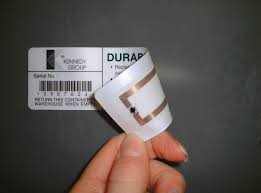
Radio frequency identification ("RFID") is a technology that uses radio waves to identify things. An RFID system includes three elements a tag, a reader, and a database. An RFID tag comprises a chip that contains a unique number that identifies an object.
The simplest RFID tags are "passive" and they do not carry their own power supply to enable data transmission. Passive tags receive their power from the electromagnetic waves. Other tags like "active" do contain some form of power supply allowing the broadcast of information to the reader. Active tags are often able to transmit over a much longer range than passive tags like about 100 feet or more.
RFID technology can be mainly used for keep track of objects, keep track of people, to provide services, or as an internal component of a product or device.
RFID technology could be used in wal-mart as clipped tags instead of bar codes, it can be used in hospitals for the newborn babies, it can be used in an ambulance to locate the a patient, it can be used to find a criminal, and much more. But RFID can be dangerous in privacy concerns. RFID can be found in a person's credit cards, clothing, EZ-pass, and it can also can be found in a humans body. This RFID is able to find your location, personally identifiable information, and most of all, it can track you. So now you have be careful and make sure that RFID is not attached to you.

http://www.cdt.org/privacy/20060501rfid-best-practices.php
http://rfidprivacy.mit.edu/access/who.html